Good To the Bone Dolly Parton
Matthew’s seagull
saucy song protests
gender inequality
bopping “9 to 5”
Her voice rings out—from farm vendors’ stalls around the market, on kids’ phones at the bus stop, inside cars pulling into lots, in beat-keeping exercise classes throughout the building. Her August 25th death leads reporting for days in both independent and corporate news while her face graces magazine covers. Worldwide love and praise from all walks of life—South Africa’s vocal group Ladysmith Black Mambazo and Pigeon Forge, Tennessee neighbors. Never a negative word about this singular talent and heart. Unifier of the fifty states. Wise and willing, humble and hilarious. Philanthropist beyond compare. Thank you, Dolly Parton. Take us away.
Dolly the Girl from Tennessee’s Smoky Mountains—Gloria Steinem and Ken Burns
When President Obama awarded trailblazing feminist Gloria Steinem the Presidential Medal of Freedom in 2013, she reflected that her life’s work focused on “waging peace” and debunking “the false idea that we’re ranked rather than linked.” Steinem founded Ms magazine in 1972 because “I realized as a journalist that there really was nothing for women to read that was controlled by women.” One of the Ms 1987 “Women of the Year” winners: “For staying true to herself as a country artist, a strong businesswoman and a mountain woman with loyalty and love for her roots, Dolly Parton has brought her own world into a larger one, and so added richness and understanding to them both.” The article’s headline toasted “Dolly Parton’s Unique Feminist Power.” That powerhouse “mountain woman” was just getting started.
Documentary filmmaker Ken Burns features Dolly in his 16-hour, 8-part 2019 gem Country Music, and he gives us a closeup of his friend in this tender August 26th interview with Peter Alexander. “Authentic,” they repeat, the word best capturing her presence, a woman always only exactly herself. “Unbelievably smart, unbelievably directed and intentional about everything,” Burns recalls. A knockout sense of humor balanced her formidable honesty. Alexander joyfully recalls her wit: “I’m not offended by dumb-blond jokes, because I know I’m not dumb. I also know that I’m not blond.” Dolly’s songs slow us down—we stop and listen, seduced by storytelling magic. Historian Burns states that “her art will last forever…reminding us of the essential shared dignity that we Americans have.” Acceptance—inclusion. She modeled her stage persona after the local “town trollop,” young Dolly’s pick for the most beautiful woman in her hometown. Burns compliments our country: “She’s as American as it gets.” One of a kind, this Tennessee girl, born in abject poverty into a tightknit family: “She conquered not with force but with love.”
Dolly the Honoree—The Kennedy Center and Rock and Roll Hall of Fame
How nice to revisit the Kennedy Center, if only for two minutes, for its annual December performing arts honors. Drop back to 2006 and watch dignified hoot Dolly grin at the parade of good pals singing and talking straight at her. Yes, Reba McEntire’s eyes glisten, yes, she proclaims: “There ain’t nobody like Dolly Parton.” T’ain’t.
Dance forward to November 2022—here she comes again. Squeeze into the wild crowd as a rockin’ rockin’ rockin’ country music gal takes the stage. Backed by the Zac Brown Band, Rock and Roll Hall of Fame inductee Dolly rips that electric guitar and belts her song written for this occasion. “I’m Rockin’ it!” she roars. “I’ve got rock and roll down in my country soul / And I’ll be rockin’ it til the cows come home.”
special delivery
yellow roses her favorite
Dolly rocks and rolls
Dolly the Philanthropist—Her Life of Giving
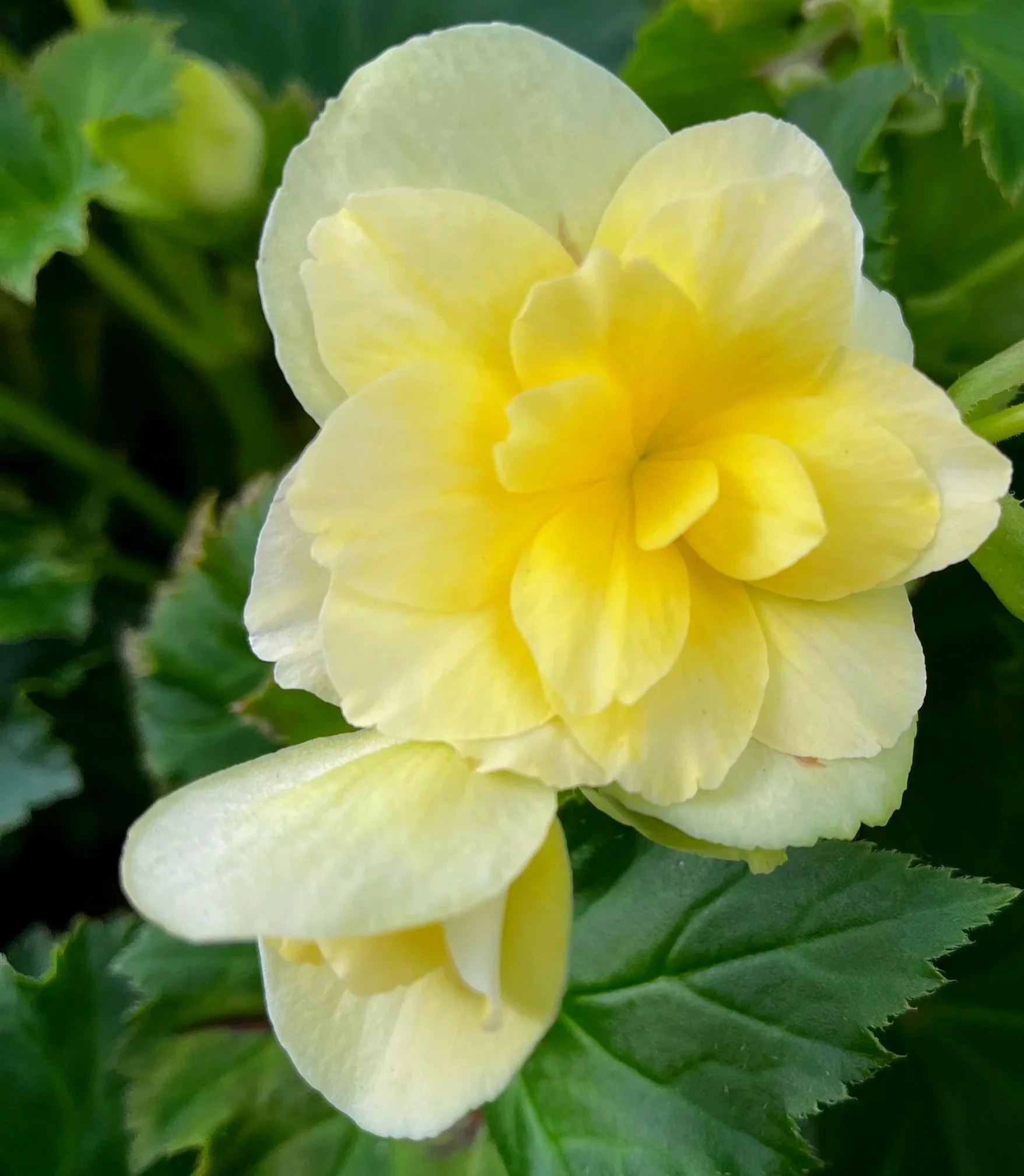
Writing for independent news stalwart “The Contrarian,” Meredith Blake tells it true: “Dolly Parton’s Greatest Legacy Was Her Giving.” Blake admits that “attempting to summarize her legacy feels as futile as bottling up the Pacific Ocean with a teaspoon.” The Imagination Library, which Dolly established in 1995 honoring her dad, sends a book every month to children two to five years old. All applicants are welcome and the Imagination Library partners with local groups for book deliveries. Augusta Health, providing medical services to a broad area in Virginia’s Shenandoah Valley, enrolls newborns with parental consent. Preschool neighbors read and trade their gifts from “The Book Lady.” Her Pigeon Forge theme park, Dollywood, employs 4,000 in her Sevier County homeland, the 160-acre attraction including a roller coaster, a chapel, and a bald eagle sanctuary. “Aunt Dolly” saves lives: a million dollars given to covid vaccine research, baring her shoulders for the injection with jocular insistence that others do the same. Longtime fierce LGBTQ+ and education advocate. Champion for women’s rights and union solidarity. Financial supporter of Black communities in Nashville and decades of ongoing investments in Vanderbilt Children’s Hospital.
The fourth of twelve children, Dolly Parton was born on January 19, 1946 in a one-room cabin lacking electricity and running water on the banks of the Little Pigeon River in Sevier County, Tennessee. She produced some fifty studio albums, sold more than one hundred million records, strummed any stringed instrument, blew the harmonica and the saxophone, and imitated a typewriter’s clicks by percussing her acrylic fingernails in “9 to 5.” Ten Country Music Awards and 11 Grammys. A four-time inductee—Country, Gospel, Rock and Roll, and Songwriters Halls of Fame. As her career skyrocketed, an interviewer questioned her about her ultimate goal. “Just to be happy, to be as productive as I can be, make as many people happy as I can, make as much money as I can, so I can do for more people. And I just want the freedom to work, and everybody else can have the money.” Gratitude propelled Dolly—her goodness will flourish. “There are few Americans alive today who aren’t familiar with some aspect of Parton’s life. She was a secular saint, admired by people across the political and cultural spectrum who shared little else in common.”
Dolly the Singer and Dolly the Songwriter
Lucky David Letterman hosts Dolly in 1995, laughing with her before she sings “Jolene.” How about her accompanying musicians—how about her handling of that Jolene. Jolly good show.
Brandi Carlile loves Dolly Parton, and she’s sure that “I Will Always Love You” is “the most beautiful song ever written.” Participating in the global celebration of her beloved friend’s life, Carlile softly speaks to her August 30th audience: “Allow me to join the chorus of people singing this sacred song tonight.”
October Bright—Two Short Poems
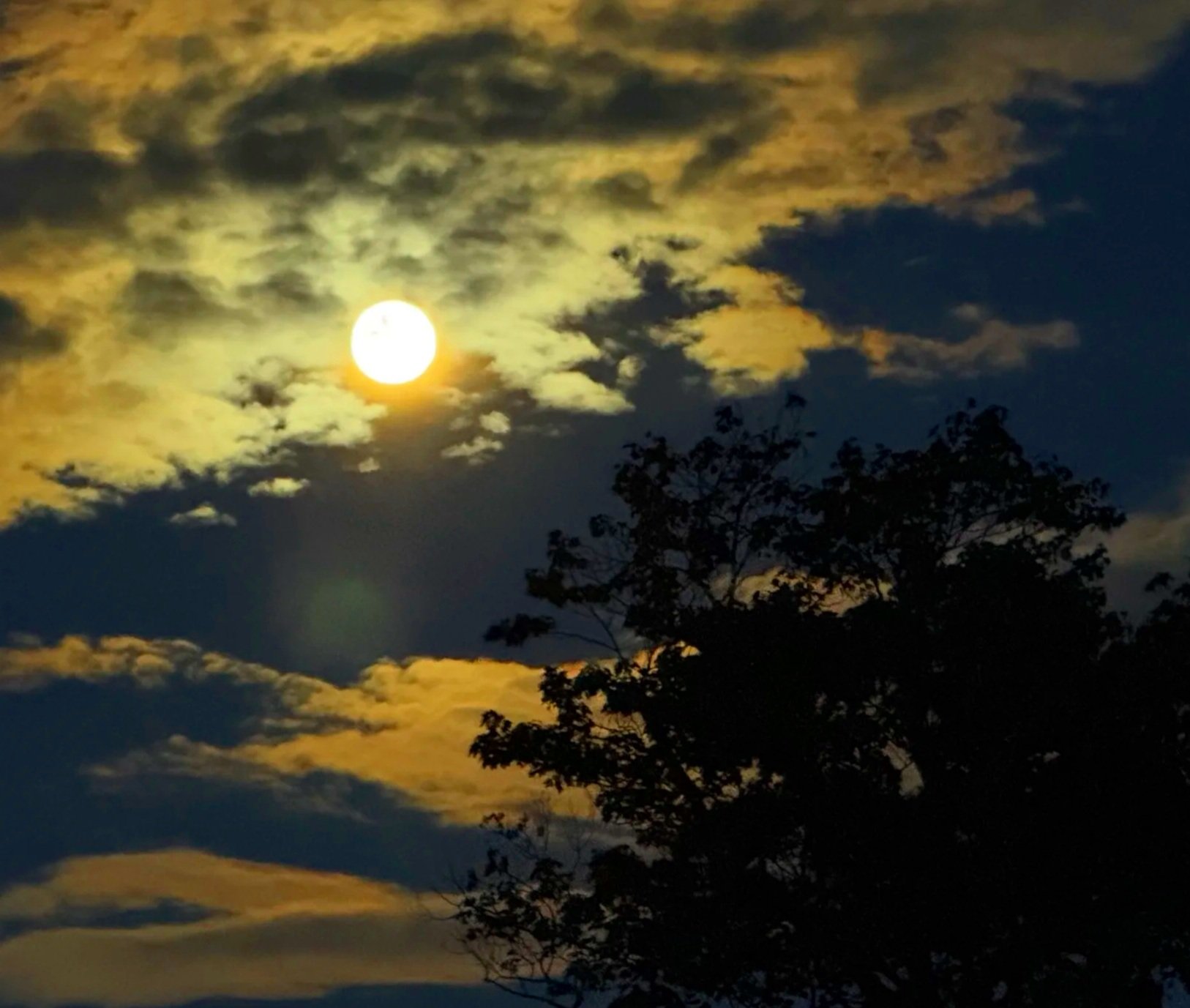
Breathing. Believing with Mark Strand in “the coming of love, “The Coming of Light.” Awakening as “candles are lit as if by themselves / stars gather, dreams pour into your pillows.”
Rebecca Elson looks up at bundles of stars twinkling in darkness. Oh, please, “Let There Always Be Light.” Shine, abundant and unfailing light, shine: “To bring us so close that we ignite / The bright spark of resurrection.”
Dolly Parton’s dream
of what this country can be
ours to make come true


Told with McCarty’s characteristic wisdom, marvel, exuberance, and good will, Leaving 1203 is about navigating that way through. The author draws on all available resources—friends and strangers, food and laughter, life lessons learned in the very house she now empties, and, not least, her newly-inherited West Highland terrier, Billy. McCarty simultaneously learns and deftly teaches the fine arts of remembering, letting go, and holding on to what matters most. She not only finds the way through, she shows the way.
the greatest gift an author could give a reader… lessons of a universally philosophical and existential kind… a touching journey… a welcome, upbeat ride
Read More & Buy