Declaration of Dependence
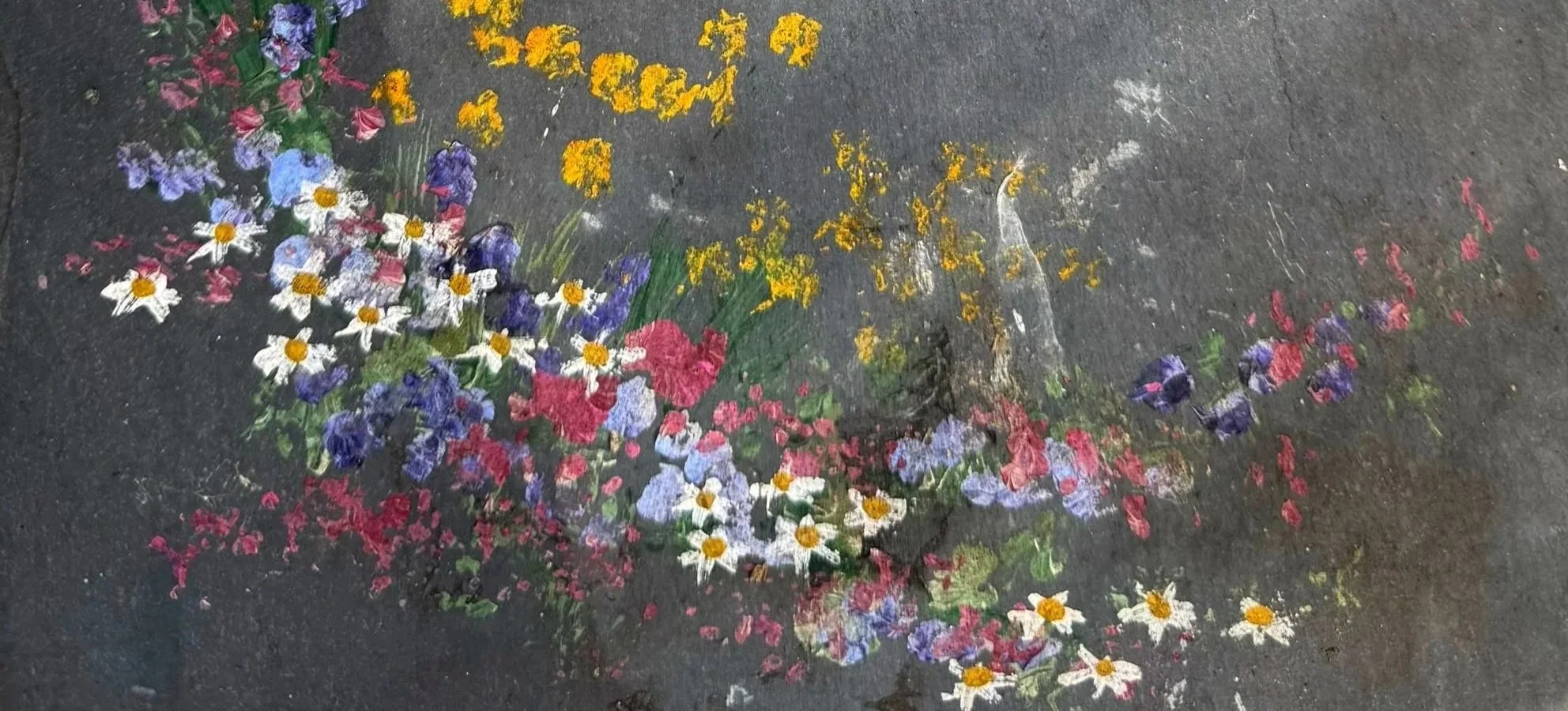
we need each other
in homes and communities
believing we can
Banjo and Basketball—Mumford & Sons and the New York Knicks
A knee-length bandana streams from our partner’s pocket. Here we go, stepping out at the first note of Mumford & Sons “The Banjo Song.” UK DJ duo “Streets of Soul” chose among locals, frequenters of their shows at Bristol’s Eastville Club, for this video release. “These are the dancers that always brighten up our dancefloors, the ones that love to dance. We brought them together with their different styles, energy and flair. We saw how quickly they all became one…. Their differences became their joy and their connection.” New mateys groovin together. “And hey, when you call, when you fall / When you need someone, I could be someone for you.”
Perennial underdog New York Knicks, their last NBA championship in 1973 and trip to the finals in 1999, fell behind by 29 points in the third quarter of Game 4 in this year’s finals. All-star point guard Jalen Brunson’s assessment: “You’re allowed to think about the worst possible scenario. But you gotta go out there and do something about it.” Less than 2 seconds left. Brunson’s shot clangs off the rim. But then. Kareem Abdul-Jabbar: “Anunoby came flying through the lane, extended his right arm as high as it would go, and tipped the ball through the hoop. It was as beautiful an encapsulation of the majesty of sports as anything you’re ever likely to see. The seemingly impossible happened.” Their only lead of the game and the biggest comeback in playoff history, 107-106. Trailing early and late, catching up and forging ahead, the Knicks win it all in Game 5. On June 15th Anand Giridharadas captures the thrill over “this whole thing.” Watching the games on big screens in public parks, over 8 million New Yorkers glued themselves and rooters everywhere to “a team built not on the superstar model but that of the orchestra.”
A Document and a Poem—The Declaration of Independence and “Declaration”
The Declaration of Independence, adopted by the Second Continental Congress on July 4, 1776, marked thirteen colonies’ rebellion against England’s tyrannical rule. While a product of its time, reserving the right to vote for white male property owners, this Declaration offered a framework for striving toward an ever more perfect union. No (mad) King George III, no (mad) kings ever. Can we learn anything from an old document that begins with “Self-evident truths, inalienable rights to Life, Liberty and the pursuit of Happiness”? Why did colonists resort to revolution? “When a long train of abuses…evinces a design to reduce them under absolute Despotism, it is their right, it is their duty, to throw off such Government, and to provide new Guards for their future security…. To prove this, let Facts be submitted to a candid world.”
The facts. Despite archaic language, the Declaration perfectly serves the United States at this moment. Reading its 250-year-old contents feels eerily familiar, as if we’re staring at each morning’s independent news headlines:
“He has refused his Assent to Laws…forbidden his Governors to pass Laws of immediate and pressing importance…dissolved Representative Houses repeatedly…endeavored to prevent the population of these States; for that purpose obstructing the Laws for naturalization of Foreigners…obstructed the Administration of Justice…made Judges dependent on his Will alone…erected a multitude of New Offices, and sent hither swarms of Officers to harass our people…kept among us, in times of peace, Standing Armies without the Consent of our legislatures…rendered the Military independent of and superior to Civil power….” And: “For Quartering large bodies of armed troops among us: protecting them from punishment for any Murders…cutting off our Trade…depriving us of Trial by Jury…transporting us beyond Seas to be tried for pretended offences…. Our repeated Petitions have been answered only by repeated injury.” Mad King George IV and his minions—decency’s archenemies and depravity’s agents—skulk toward their November congressional wipeout.
The sound of Tracy K. Smith’s voice—her pauses and inflections. The look of her “Declaration,” as though she drew words excerpted from the original on yellowing parchment. “He has plundered…ravaged…destroyed. He is “taking away…abolishing….” She applied these 1776 fragments to civil rights struggles while Poet Laureate in 2018. Today, we live inside her last lines: “—taken Captive…to bear—.”
Replacing the Star-Spangled Banner—Pairing Ada Limón and Joshua Henry
Bursting bombs—glaring rockets? Poet Ada Limón proposes “A New National Anthem.” How hard to sing, even if you can sing, the first verse of a song written during the war of 1812. How wrong to sing, especially if you know, the “The Star-Spangled Banner’s” third stanza: “no refuge could save the hireling and the slave / from the terror of flight, or the gloom of the grave.” We wait for an anthem “that sounds like someone’s rough fingers weaving / into another’s, that sounds like a match being lit.”
In his rousing “Ragtime” Broadway finale, Joshua Henry (at 16:30 from Tiny Desk) does much more than “Make Them Hear You.” Imagine striking this match at inaugurations and graduations, the Olympics and July 4th parades—celebrating justice won through the power of words. “Go out and tell our story / Let it echo far and wide.” Every child taught to speak up—every adult taught to listen. Sharing stories and making art. Squeezing hands and hearing you. “Again.”
Juneteenth opening
nineteen Chicago acres
Obamas come home
All About We—Jackson Park in South Side Chicago
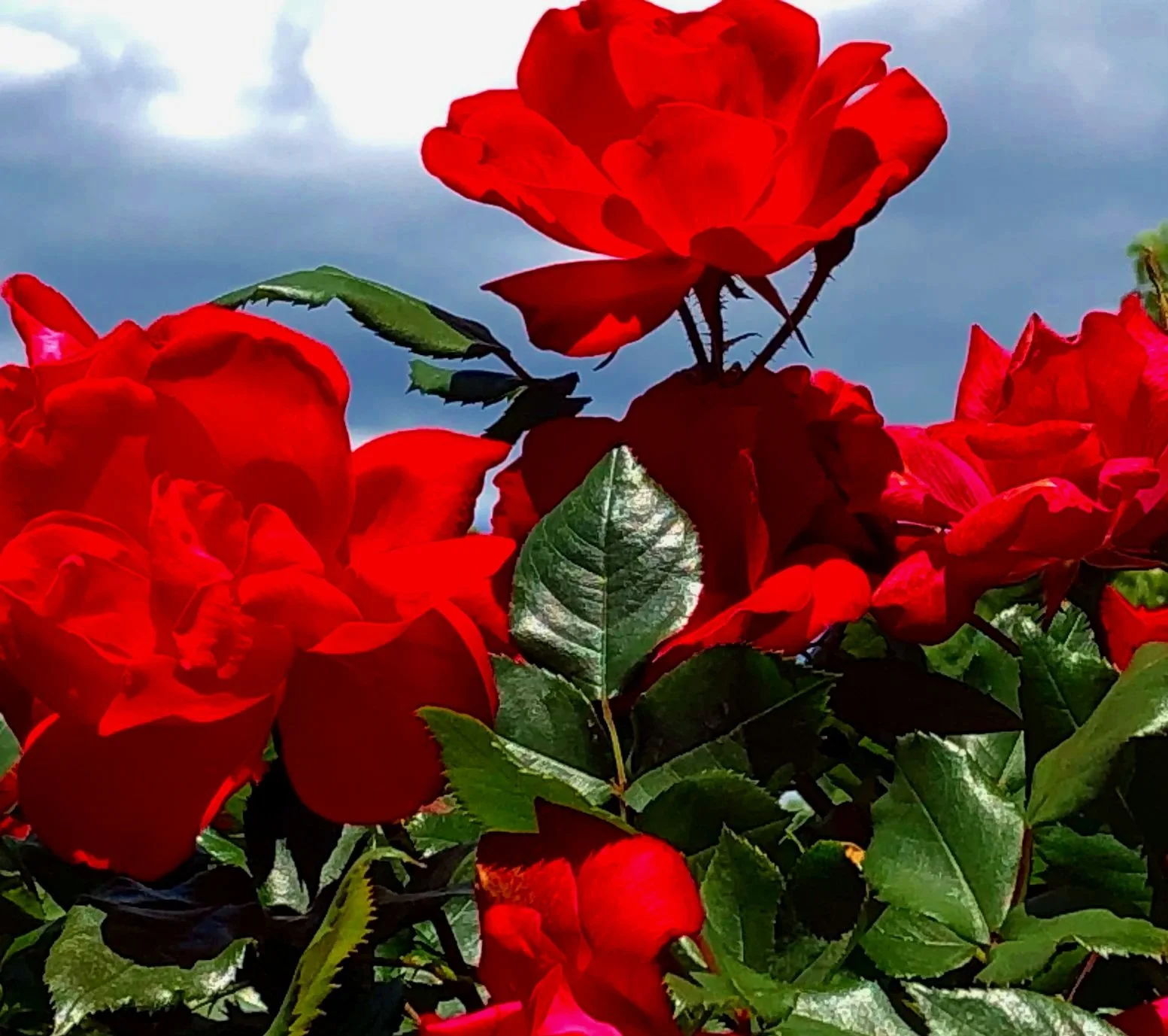
Christina Aguilera’s voice pitches high and swings low, knocking this treasure out of the park at the June 18th dedication of the Obama Presidential Center. Thank you, orchestral soarers and sign language interpreter. And you, whatcha seein’? “I see trees of green, red roses too—skies of blue, clouds of white.” What did you say to yourself? “What a Wonderful World.”
These words, taken from President Obama’s 2015 speech in Selma, swirl on the granite exterior of the Obama Presidential Center Museum: “The single most powerful word in our democracy is the word ‘We.’ ‘We The People.’ ‘We shall Overcome.’ ‘Yes We Can.’ That word is owned by no one. It belongs to everyone.” Let’s peek at the Center. Public Library Branch for checkout—John Lewis Plaza for live music. Workouts at the Home Court gym and in the communal fruit and vegetable gardens. Wetland walking—art collection browsing. Lawn for picnics—playground for all. The grace of communal space.
Dependence Day Bonus Tracks—Jon Batiste and Jon Lampley
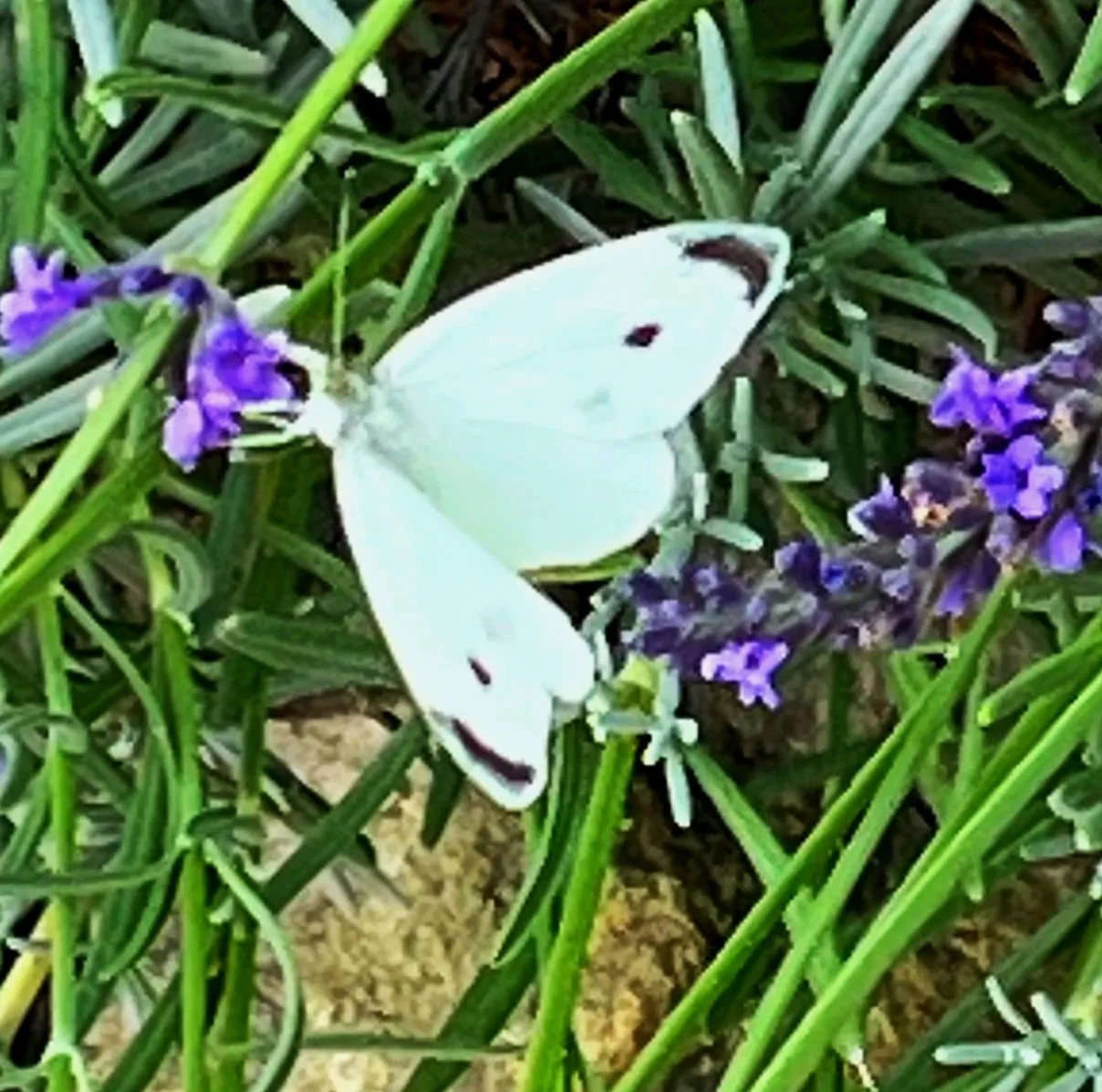
“You’re a Butterfly,” Jon Batiste articulates, lyrics matching his all-white garb. The grandest instrument opens like a butterfly’s wing, and Batiste’s delicate touch complements the piano’s inner beauty. Howling “a—woo-hoo” at the moon—pressing one key with a pinky finger. “A sacred song and a sacred tongue, hmm / It’s a butterfly flying home.”
Clap your hands—chit some chat. “Don’t Miss Your Blessing,” trumpeter Jon Lampley’s quintet parties. Patrons and staff move with the beat in this cozy Brooklyn joint. Tambourine and saxophone—rhyme and reason. Bass and piano—whatcha sayin’? “You can’t quit cuz you ain’t done / Don’t you know the best is yet to come.”


Told with McCarty’s characteristic wisdom, marvel, exuberance, and good will, Leaving 1203 is about navigating that way through. The author draws on all available resources—friends and strangers, food and laughter, life lessons learned in the very house she now empties, and, not least, her newly-inherited West Highland terrier, Billy. McCarty simultaneously learns and deftly teaches the fine arts of remembering, letting go, and holding on to what matters most. She not only finds the way through, she shows the way.
the greatest gift an author could give a reader… lessons of a universally philosophical and existential kind… a touching journey… a welcome, upbeat ride
Read More & Buy